Explore
Select

Plan

Optimize

Deliver

RouteGeniusAI.com

Sales

Talk to our team about rollout planning +1 (602) 555-1083

Support

Need help with a live account? support@routegeniusai.com

Everything you need to plan dispatch, track, and improve

Platform features built for real delivery operations

Use this page to understand the core capabilities, see what each part of the system does, and move into deeper detail when you need implementation context.

Feature guide

A deeper explanation of each platform capability

Read through the sections below like a product contents page. Every block includes what it does, why it matters, and where to go next.

Plan

Route planning

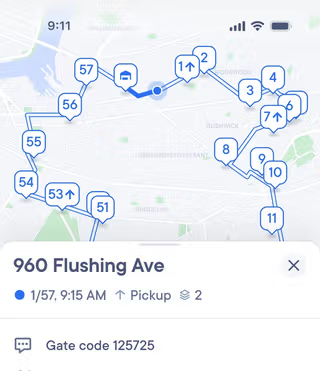
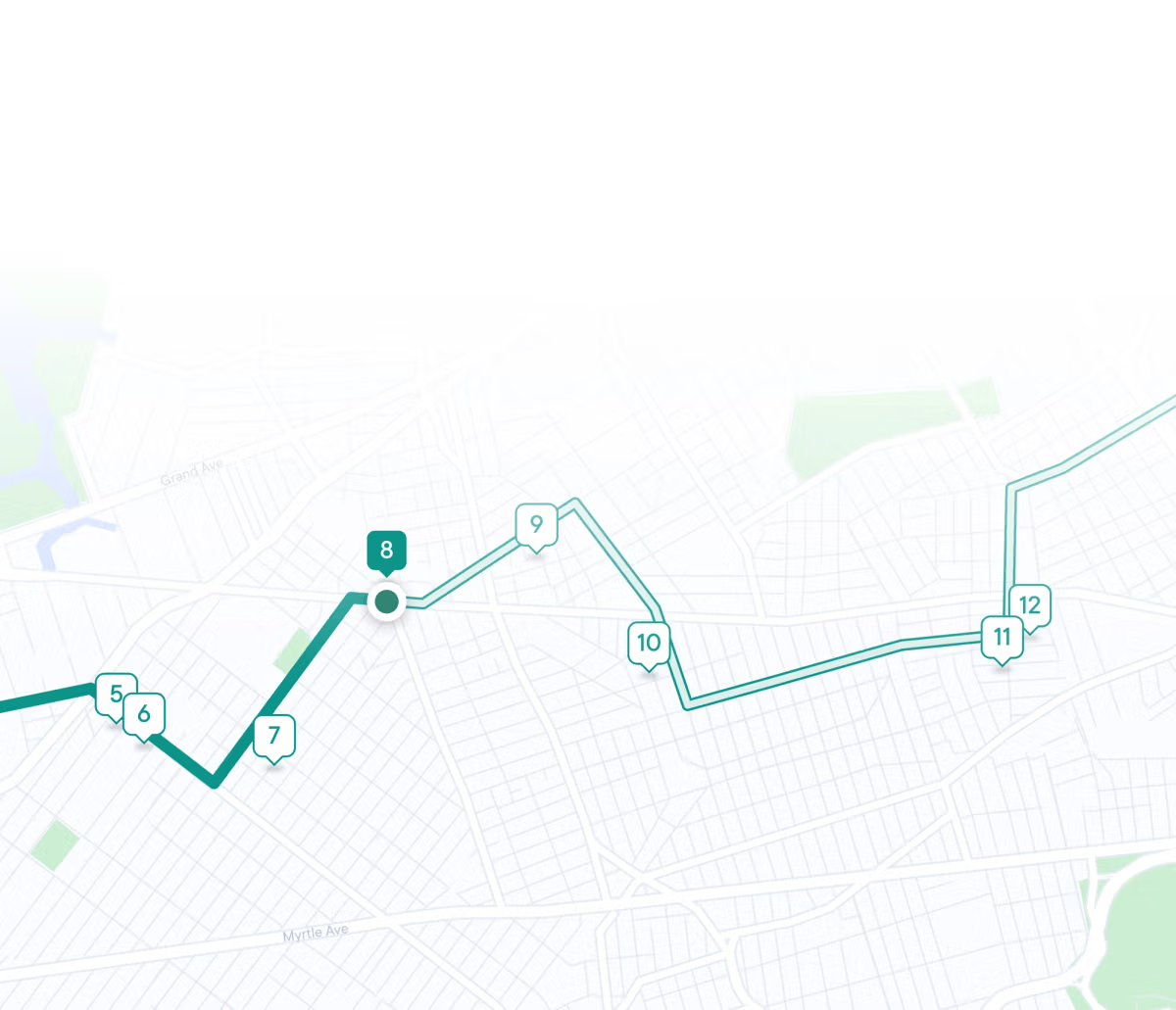
Dispatchers can move from raw orders to optimized routes without jumping between tools. The platform keeps human control in the loop while the routing engine reduces miles, balances workloads, and reacts to the constraints that matter in the real world.

  • Import stops, build routes, and refine sequences before drivers leave the depot.
  • Apply custom rules for depots, territories, and driver availability.
  • Keep the human review step while the system handles the heavy optimization work.
Stop sequencing Time windows Business rules
Route planning
Optimized in one workspace
Why it matters

Dispatchers can move from raw orders to optimized routes without jumping between tools. The platform keeps human control in the loop while the routing engine reduces miles, balances workloads, and reacts to the constraints that matter in the real world.

Best for

Teams that want a simpler handoff from planning to execution, with less time spent switching tools and more time spent running routes.

Dispatch

Dispatch execution

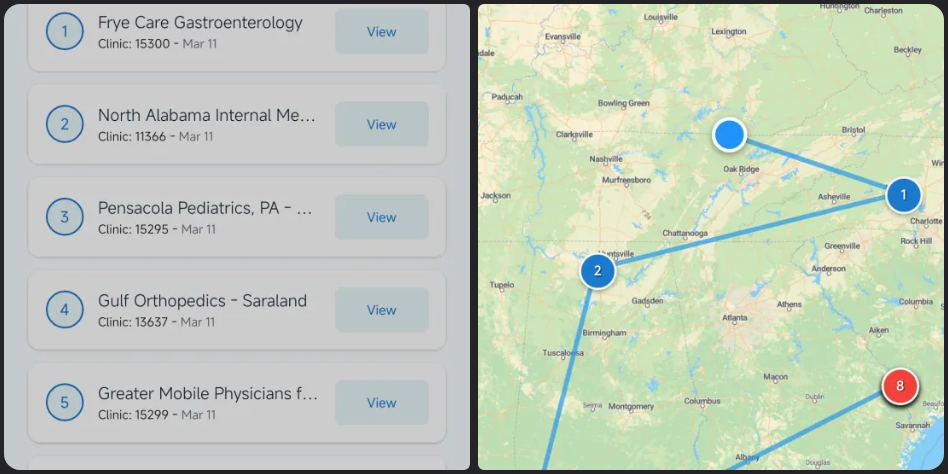
Once routes are built, dispatch can publish them instantly to drivers and keep the whole team aligned. That reduces manual handoff work and makes route changes easier to absorb during the day.

  • Assign routes immediately after planning and keep the schedule moving.
  • Share instructions, order data, and route changes with drivers in a clean workflow.
  • Use a shared operating layer instead of scattered messages and spreadsheets.
Route handoff Driver tasks Realtime updates
Dispatch execution
From route to driver
Why it matters

Once routes are built, dispatch can publish them instantly to drivers and keep the whole team aligned. That reduces manual handoff work and makes route changes easier to absorb during the day.

Best for

Teams that want a simpler handoff from planning to execution, with less time spent switching tools and more time spent running routes.
Track

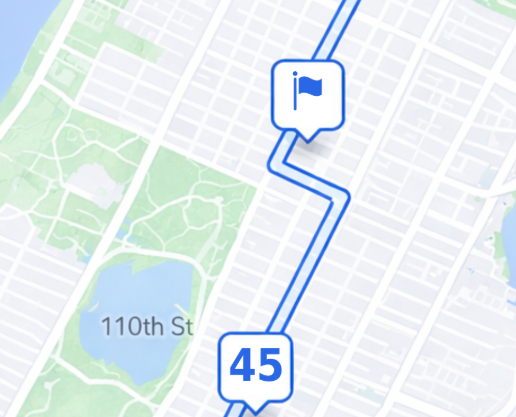
Live tracking

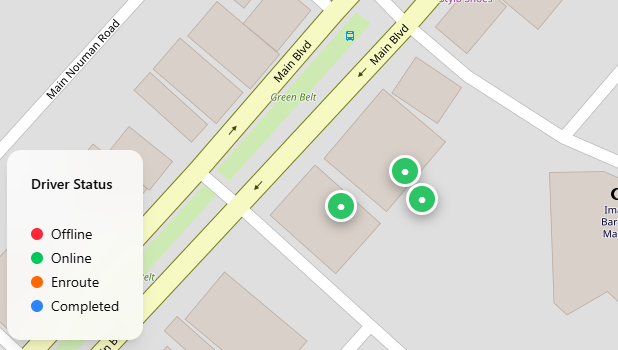
Operations teams can follow each route as it moves, spot delays early, and keep customers informed without manually checking in on every stop. The result is less uncertainty and faster intervention when something changes.

  • Monitor route progress and stop status from a single dashboard.
  • Spot late arrivals or stalled routes before they become customer problems.
  • Capture proof of delivery data as part of the same workflow.
Driver location Route status Proof of delivery
Live tracking
Live route visibility
Why it matters

Operations teams can follow each route as it moves, spot delays early, and keep customers informed without manually checking in on every stop. The result is less uncertainty and faster intervention when something changes.

Best for

Teams that want a simpler handoff from planning to execution, with less time spent switching tools and more time spent running routes.
Improve

ETA alerts and customer updates

The platform can push proactive notifications when timing changes and can shape the tracking experience so customers know what to expect. This makes service feel more reliable even when routes get busy.

  • Send accurate arrival updates before the customer has to ask.
  • Use branded tracking and messaging to keep the experience consistent.
  • Share instructions, links, and status changes without manual follow-up.
ETA updates Branded tracking Recipient guidance
ETA alerts and customer updates
Proactive notifications
Why it matters

The platform can push proactive notifications when timing changes and can shape the tracking experience so customers know what to expect. This makes service feel more reliable even when routes get busy.

Best for

Teams that want a simpler handoff from planning to execution, with less time spent switching tools and more time spent running routes.
Scale

Analytics and improvement

Performance data turns daily dispatch into a feedback loop. Teams can see where delays happen, which routes run efficiently, and how operations change as volume grows.

  • Track useful route metrics instead of relying on guesswork.
  • Spot patterns in delays, mileage, and service performance.
  • Use the data to improve planning, staffing, and customer outcomes over time.
Cost control Performance trends Operational feedback
Analytics and improvement
Operational insight
Why it matters

Performance data turns daily dispatch into a feedback loop. Teams can see where delays happen, which routes run efficiently, and how operations change as volume grows.

Best for

Teams that want a simpler handoff from planning to execution, with less time spent switching tools and more time spent running routes.